Events as a Tool for Business Growth
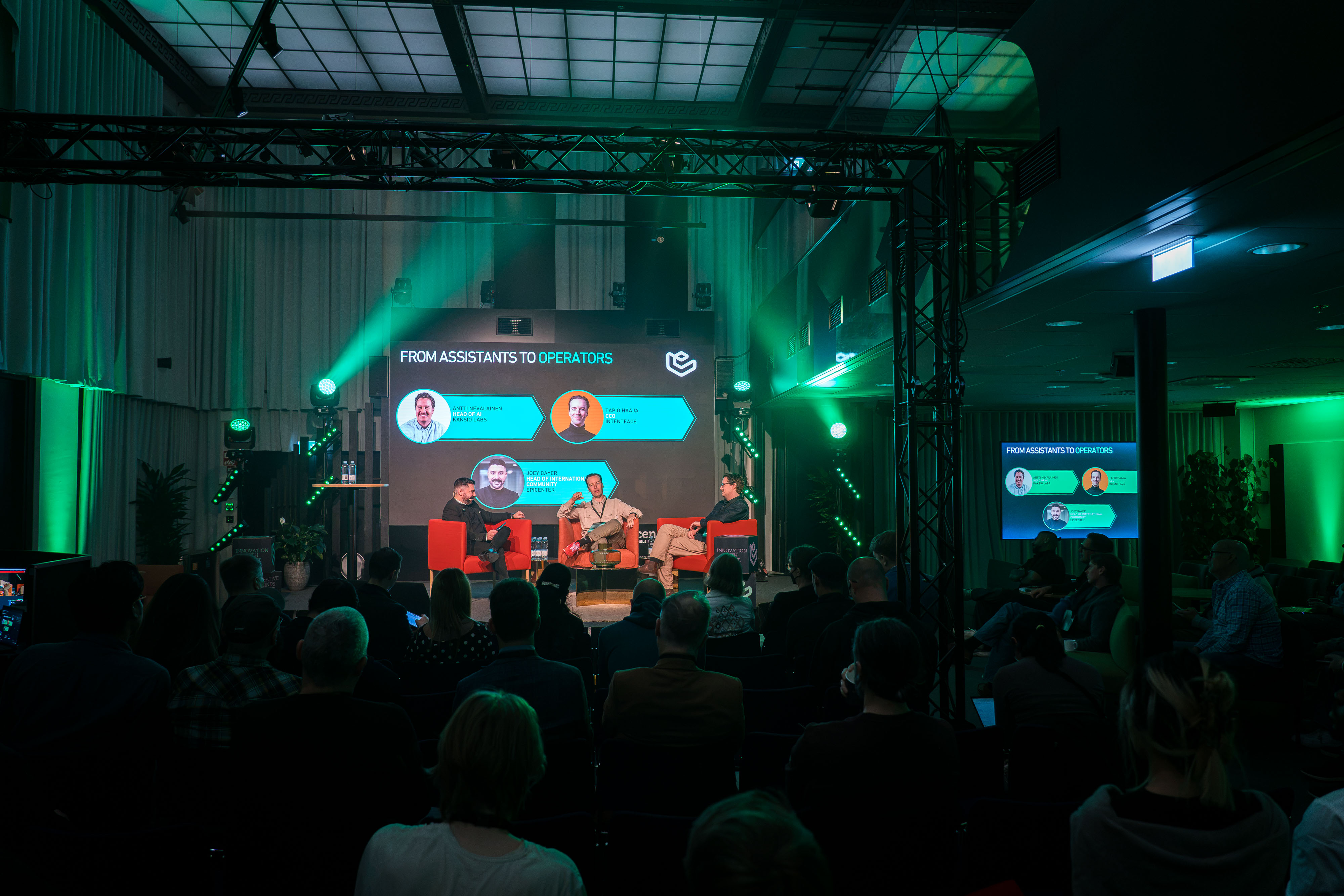
Events can support business growth when they are designed as a focused moment in a longer relationship, not as a standalone date in the calendar. The goal is not simply to fill a room. It is to bring the right people together around a useful question, create a reason to continue the conversation, and learn what to do next.
That requires a clear purpose before the agenda, venue or guest list is chosen. A strong business event gives participants something valuable in the room and gives the organiser a responsible way to deepen the relationship afterwards.
Start with one business outcome
Choose one outcome that the event can realistically influence. An event may help open conversations with a defined audience, strengthen existing customer relationships, test interest in a new idea, bring partners together, or help a team learn from a market conversation. It does not need to do all of those things at once.
Write the outcome as a change you want to make possible: “start ten relevant follow-up conversations with operations leaders” is more useful than “increase awareness.” The first version guides who to invite, what to discuss and what happens after the event.
Match the format to the decision
The format should make the desired outcome easier. A small roundtable works when people need enough trust to share practical challenges. A workshop works when participants need to leave with a decision or a draft plan. A larger event can be the right choice when the purpose is to convene a wider network around a timely idea.
Choose the smallest format that can create the conversation you need. A bigger audience is not automatically a bigger opportunity if participants cannot meet the right people or contribute meaningfully.
Build the attendee journey before building the programme
An agenda matters, but the attendee journey begins before the first session and continues after the final conversation. Plan each stage around one question: what should a participant understand, experience or be able to do next?
Before the event: Explain who the event is for, the question it will address and why it is worth a participant’s time. A short registration question can help shape the discussion and identify the topics people care about.
During the event: Give people a reason to engage, not only listen. Curated introductions, small-group discussion and structured questions can turn shared attention into useful interaction.
After the event: Send a relevant follow-up while the conversation is still fresh. Share a useful summary, make a specific introduction, invite people to a smaller continuation, or offer a next conversation that clearly relates to what they engaged with.
Follow-up should feel like a continuation, not a generic sales message. If someone joined a session about a specific operational challenge, the next step should help them explore that challenge further.
Create value people would not get from a slide deck
The strongest events give participants access to a conversation, perspective or connection that is difficult to reproduce alone. That value might come from peers sharing how they approach a common problem, an expert unpacking a difficult decision, or a carefully chosen mix of people who can help each other.
Design the programme around a live question rather than a sequence of presentations. Ask speakers to bring a point of view, a trade-off or a practical example. Give participants time to respond. A useful prompt such as “What would make this harder in your organisation?” often produces more insight than a long Q&A at the end.
Make networking intentional
Networking works better when organisers reduce the effort of starting a relevant conversation. Introduce guests with a reason, group people around a shared topic, or use a host to connect participants whose challenges and experience complement each other.
Intentional networking also protects the event from becoming a room full of unfocused pitches. Participants should know why they are meeting and what a useful conversation could look like.
Use internal events to create organisational momentum
Internal events can help teams align around the organisation’s direction, develop new ideas across functions and surface feedback that would otherwise remain unheard. A kick-off, seminar or workshop should not be treated as a break from the strategy. It should make the strategy easier to understand and act on.
Align the team around what matters next
When different functions work toward different immediate priorities, an internal event provides time to connect the work back to the wider vision. Use the session to explain where the organisation is heading, invite questions and make the decisions or priorities that follow visible to everyone.
Create room for cross-functional thinking
Bring people from different roles together around a defined challenge. A workshop or breakout session outside the usual day-to-day routine can create space for new perspectives, practical discussion and shared ownership. The value is not the change of scenery by itself. It is the structure that turns different experience into a useful next step.
Listen as deliberately as you communicate
Internal events can also be a source of insight. Build in a way for people to share questions, concerns and ideas, then explain what will happen with that input. Listening only becomes useful when the organisation follows through.
Use external events to build relationships and relevance
External events work best when they create value for the people in the room, not only exposure for the organiser. A useful topic, thoughtful programme and relevant peer connections can help an organisation engage its core audience without reducing the experience to a sales presentation.
The subject of an event also signals what the organisation cares about. By convening a timely conversation and making it worthwhile for attendees, a business can build understanding of its perspective while learning directly from customers, partners and peers. Plan how the ideas and questions from the event can inform later content and follow-up, so the value does not end when guests leave.
Choose the format that fits the objective
Physical, digital and hybrid events can all support growth, but they do different jobs. Choose the format after defining the audience, purpose, resources and the experience participants need.
Physical events create space for direct connection
Physical events are a strong choice when face-to-face conversation, networking, immediate feedback or a distinctive shared experience matter most. They can make brand experiences tangible and help people build relationships in ways that are difficult to reproduce online. Their limitation is reach: people who cannot travel may be excluded, and measurement needs to be designed deliberately.
Digital events can extend reach and measurement
Digital events can make participation possible for a wider or more geographically dispersed audience. They can also provide real-time participation data through the selected platform. However, digital audiences need a format that earns and holds their attention. Speaker preparation, interaction design, connection quality and time zones need to be considered from the beginning.
Hybrid events broaden access but add complexity
Hybrid events bring together an in-person experience and a remote component. They can increase access and create more opportunities for engagement before, during and after the event. They also require more coordination, technical support and budget. Design the remote experience intentionally rather than assuming it can simply mirror what happens in the room.
Measure progress without overstating the event’s impact
Business growth usually unfolds over time, so a single event should not be credited with revenue it did not directly create. Instead, measure the signals that show whether the event created the conditions for progress, then connect those signals to later commercial activity where the evidence is clear.
Audience quality: Did the people who attended match the audience the event was designed for?
Participation: Did attendees ask questions, join discussions, make introductions or take part in the activity?
Next-step intent: Did participants request a conversation, a resource, an introduction or another way to continue?
Follow-up quality: Did the organiser respond with something specific and useful rather than a one-size-fits-all message?
Longer-term movement: Where appropriate, did relevant relationships progress into meetings, partnerships, pilots or other agreed next steps?
Use the same definitions every time you run a recurring event. Consistency makes it easier to learn which audiences, topics and formats create the most useful momentum.
Use a simple event brief to keep the team aligned
A one-page brief can prevent the event from becoming a collection of disconnected decisions. Keep it practical:
Purpose: What business outcome can this event influence?
Audience: Who should be in the room, and what do they need right now?
Core question: What useful topic will bring those people together?
Format: Is a physical, digital or hybrid experience the best fit for the outcome?
Experience: What should people discuss, try or leave understanding?
Resources: What budget, timeline, project ownership and external support are realistically available?
Next step: What is the most relevant continuation for each type of participant?
Signals: What will show that the event created valuable engagement?
This brief is not a rigid formula. It is a way to make sure the guest list, programme, space and follow-up all support the same purpose.
Turn a single event into an ongoing growth practice
Events become more valuable when each one improves the next. Review the questions attendees raised, the introductions that led to meaningful conversations and the moments where participation was strongest. Then use those lessons to refine the next invitation, format and follow-up plan.
Start with one audience and one question worth convening around. When the value for participants is clear and the next step is genuinely relevant, an event can become a practical tool for building relationships, learning from the market and creating momentum for the business.
How we think about events at Epicenter
At Epicenter, the community is the product and the space is the enabler. We are the growth and business platform for tech innovation in the Nordics, combining ecosystem, acceleration and space. The events we host with founders, scaleups, corporate innovation teams and investors start from the same principle as this guide: bring the right people together around a question that matters, and make it easy to continue the conversation afterwards.